
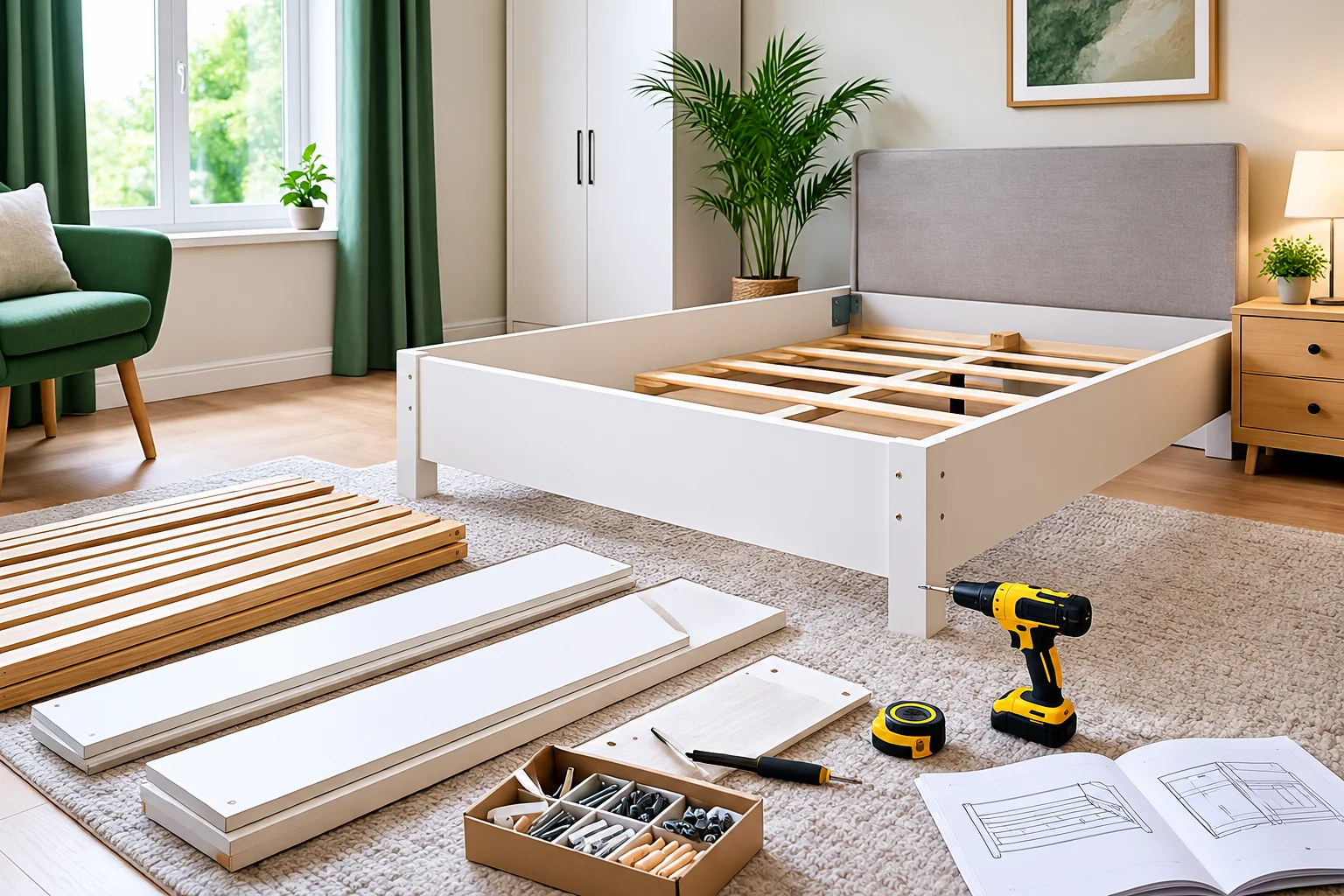
Bed Assembly Service in London: How to Prepare for Your Visit
Booking a bed assembly service London residents can rely on is a simple way to save time and avoid the stress of building a new bed. However, a little preparation before your appointment can help the work go smoothly, reduce delays and ensure your bed is ready to use as soon as possible.
Whether you have ordered a flat-pack bed, a storage bed, a bunk bed or a new frame for your rental property, knowing what to prepare makes a difference. Here is how to get your room and furniture ready before your assembler arrives.
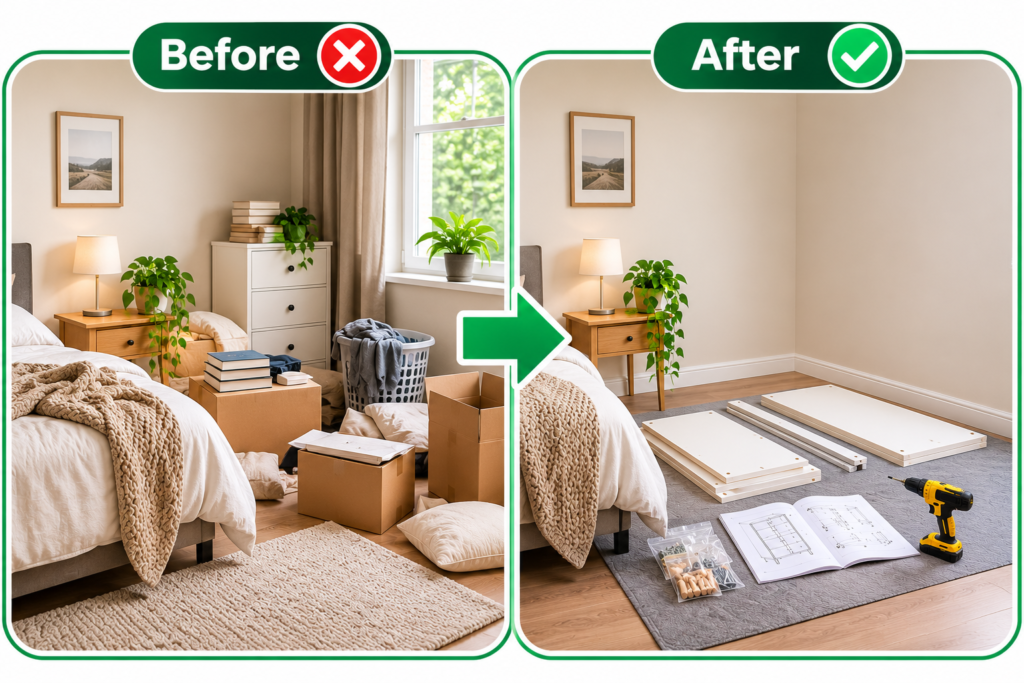
Clear the Room Before Assembly
The first step is to prepare the room where the bed will stand. Move clothes, shoes, bedside tables and other loose items away from the intended position. This gives the assembler enough space to lay out components and work safely.
If you are replacing an old bed, decide whether it needs dismantling and removal. Do not assume these tasks are included in a standard assembly booking. Confirm them beforehand.
Measure the available floor space, too. Check that the assembled bed will fit without blocking doors, wardrobes, radiators or drawers. For a storage bed, allow enough room to open its drawers or lift its base.
Check Your Bed Package and Instructions
Before the appointment, check that all expected boxes have arrived. Some beds have separate packages for the frame, slats, headboard, storage drawers or centre support.
Look for visible damage and keep the instruction manual accessible. If the guide is missing, check the manufacturer’s website. For example, IKEA’s assembly instructions can be found through the relevant product page.
If you notice missing screws, damaged panels or incomplete packages, tell the assembler before work begins. Replacement parts may be needed, and proceeding without the correct fittings could compromise the bed’s stability.
It also helps to share the product name, model number or purchase link when booking. This allows the assembler to understand the type of bed and any special requirements.
Make Access Easy for Your Assembler
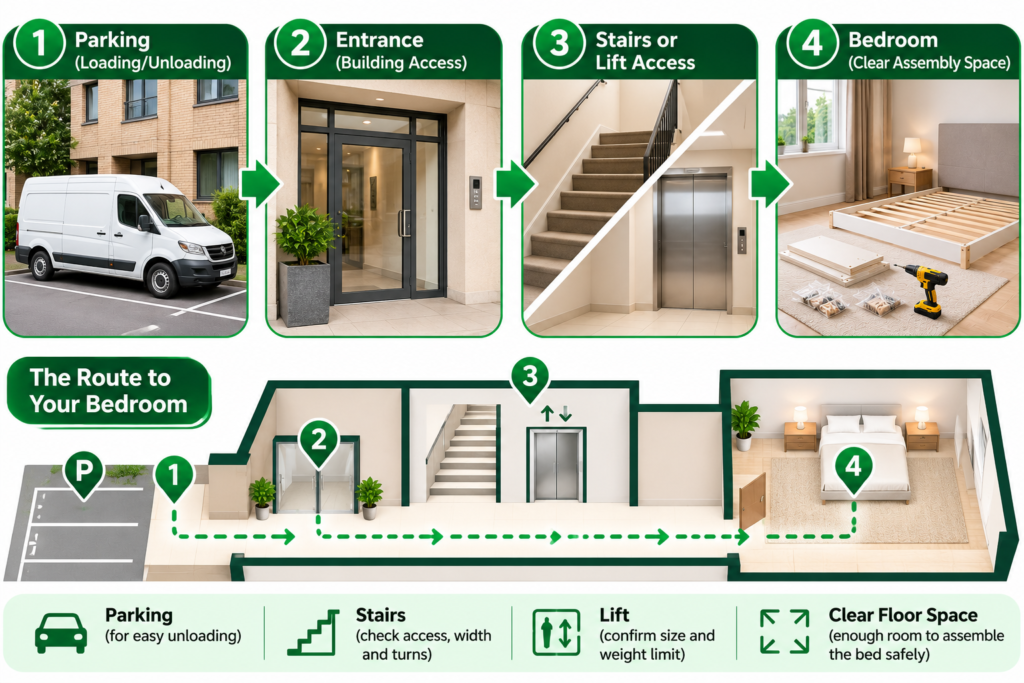
London properties can present practical challenges, particularly in flats, shared houses and buildings with narrow staircases. Let your assembler know about restricted parking, access codes, lift bookings, concierge requirements or stairs before the visit.
If the bed is already inside your home, explain where the boxes are stored. If delivery is scheduled for the same day, confirm that the packages are expected to arrive before assembly begins.
Keep children and pets away from the work area while the bed is being built. This helps prevent trips over packaging, loose fixings and tools.
The Health and Safety Executive advises planning lifting tasks, removing obstructions and seeking help with loads that are difficult to handle. Its manual handling guidance supports taking these precautions when preparing bulky furniture.
Discuss Costs, Timing and Same-Day Bookings
The cost of a bed assembly service London customers can vary according to the bed design, assembly complexity, location and any additional work required. A simple frame may take less time than a storage bed with drawers, hydraulic lifting mechanisms or several separate components.
Ask for a clear quote before confirming your appointment. Check whether the price covers one bed, additional furniture, old-bed dismantling, packaging removal and any extra charges for difficult access.
If you need same day bed assembly in London, contact the service provider as early as possible. Same-day appointments depend on availability, travel time, job complexity and whether the bed and all its components are ready.
When requesting a booking, provide your postcode, preferred time, bed model and a brief description of the job. Photos of the boxed bed or product link can also help the assembler assess the work.
What Happens During Bed Assembly?
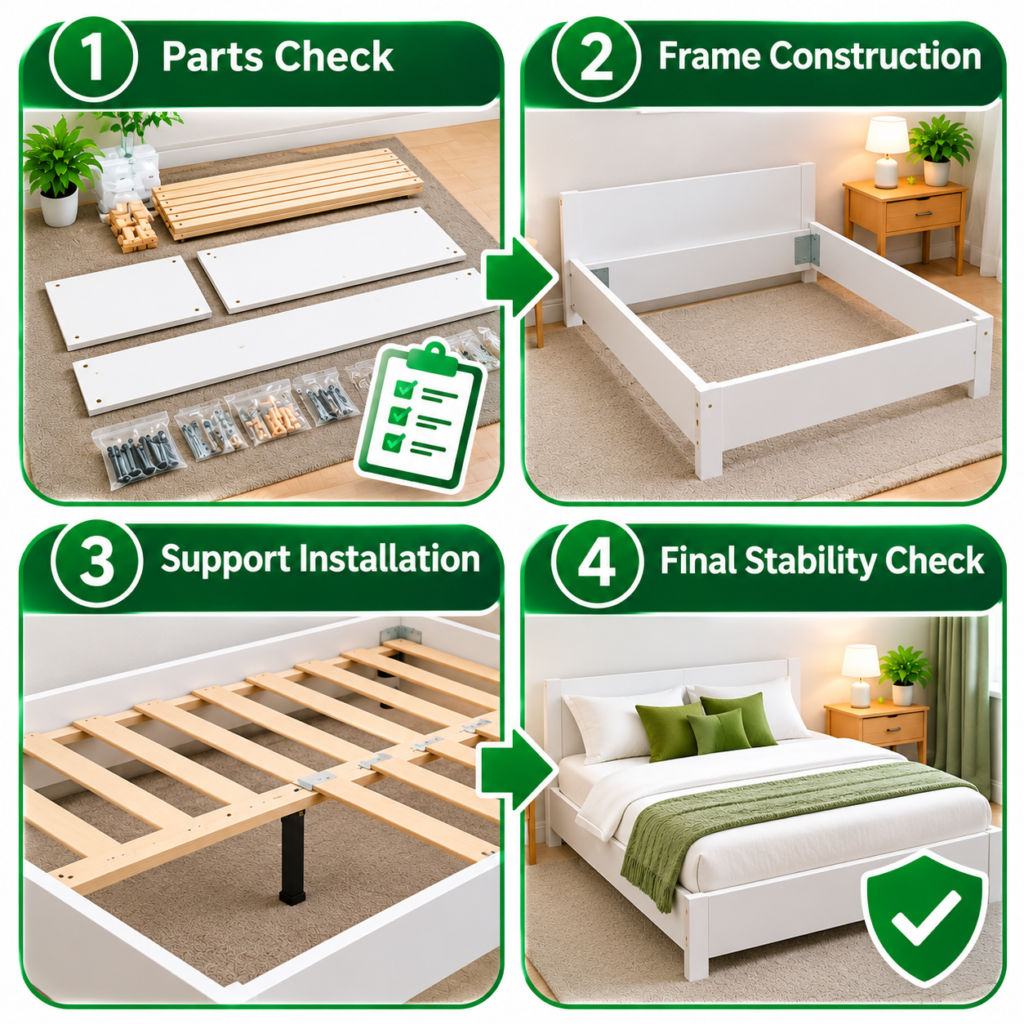
A typical appointment starts with checking the parts against the manufacturer’s instructions. The assembler then puts the frame together in the correct order, fits the relevant supports and slats, and checks that the main connections are secure.
The exact process depends on the design. A basic frame is usually less involved than a storage bed, bunk bed or model with a lifting mechanism. Assembly time also depends on the condition of the components and whether anything is missing.
Once the work is complete, ask whether the bed has been checked for stability and whether any operating instructions need explaining. Follow the manufacturer’s guidance on weight limits, mattress suitability and safe use.
Do not use the bed if it appears unstable, has loose fittings or is missing a required support. Ask for the issue to be checked before placing the mattress and bedding on it.
Common Preparation Mistakes to Avoid
One frequent mistake is booking assembly before checking that all packages have arrived. A missing centre rail or a set of incomplete fittings can delay the job, even when the assembler is ready to begin.
Another is assuming the service includes moving furniture, dismantling an old frame or taking away cardboard. These are separate tasks in many bookings, so confirm the agreed scope in advance.
Avoid opening every bag of screws and mixing the fittings together. Keep components organised and retain the instructions so the correct fixings can be identified easily.
Finally, do not try to force a bolt into a misaligned hole or substitute a random screw for a missing fitting. Incorrect fasteners can damage the frame or affect its stability. Stop and identify the problem before proceeding.
Key Takeaways
Preparing for a bed assembly appointment starts with a clear workspace, complete components and accessible instructions. Sharing the bed model, photographs and access details when booking can help the assembler plan the visit.
Confirm the price, appointment window and any additional services in advance. If you need same-day assembly, remember that availability is not guaranteed, so early contact and clear information are especially useful.
Have you already received your new bed, or are you planning a same-day assembly booking in London? Knowing your bed type and preferred appointment time can help you prepare for a smoother visit.
Frequently Asked Questions
1. How long does bed assembly usually take?
The time depends on the bed design, number of components and complexity of the instructions. A straightforward frame may take considerably less time than a storage bed or bunk bed, so provide the model details when requesting an estimate.
2. Should I unpack my bed before the assembler arrives?
You can check the packages for visible damage and confirm that all boxes have arrived. However, keep the fittings organised and avoid mixing screws or discarding packaging labels that may help identify the components.
3. Can I book same day bed assembly in London?
Same-day appointments may be possible, depending on the provider’s schedule, your location and the job’s complexity. Contact the service early and share the bed model, postcode and preferred time to check availability.
4. Do I need to provide tools for bed assembly?
Many professional assemblers bring their own tools, but you should confirm this when booking. Keep the manufacturer’s instructions and any supplied fittings available, and mention any specialist components in advance.
5. What if my bed is missing screws or parts?
Tell the assembler before work begins and contact the retailer or manufacturer about replacement parts. Do not use unsuitable fasteners or leave out components that the instructions identify as necessary.
6. Should I dismantle my old bed before the appointment?
Not necessarily, but ask whether dismantling is included in your booking. If the old bed needs to be moved or disposed of, confirm the arrangements and any additional costs beforehand.
7. Does bed assembly cost more for storage beds?
It can, because storage beds may involve extra panels, drawers, support rails or lifting mechanisms. The final price depends on the model, assembly requirements and the provider’s pricing structure.
8. Do I need to move furniture out of the bedroom?
Clear the intended assembly area and provide enough room to handle the bed components safely. Move fragile items and loose belongings, and discuss any heavy furniture that needs relocating before the appointment.
9. Can a bed be assembled in a small London flat?
Yes, in many cases, provided there is enough room to work and the components can reach the bedroom. Tell the assembler about narrow staircases, tight corridors, small lifts or limited parking when arranging the visit.
10. What should I check after the bed has been assembled?
Check that the frame appears stable, the required supports and slats are fitted, and the relevant fixings are secure. Follow the manufacturer’s instructions for mattress compatibility, weight limits and any recommended checks after assembly.