
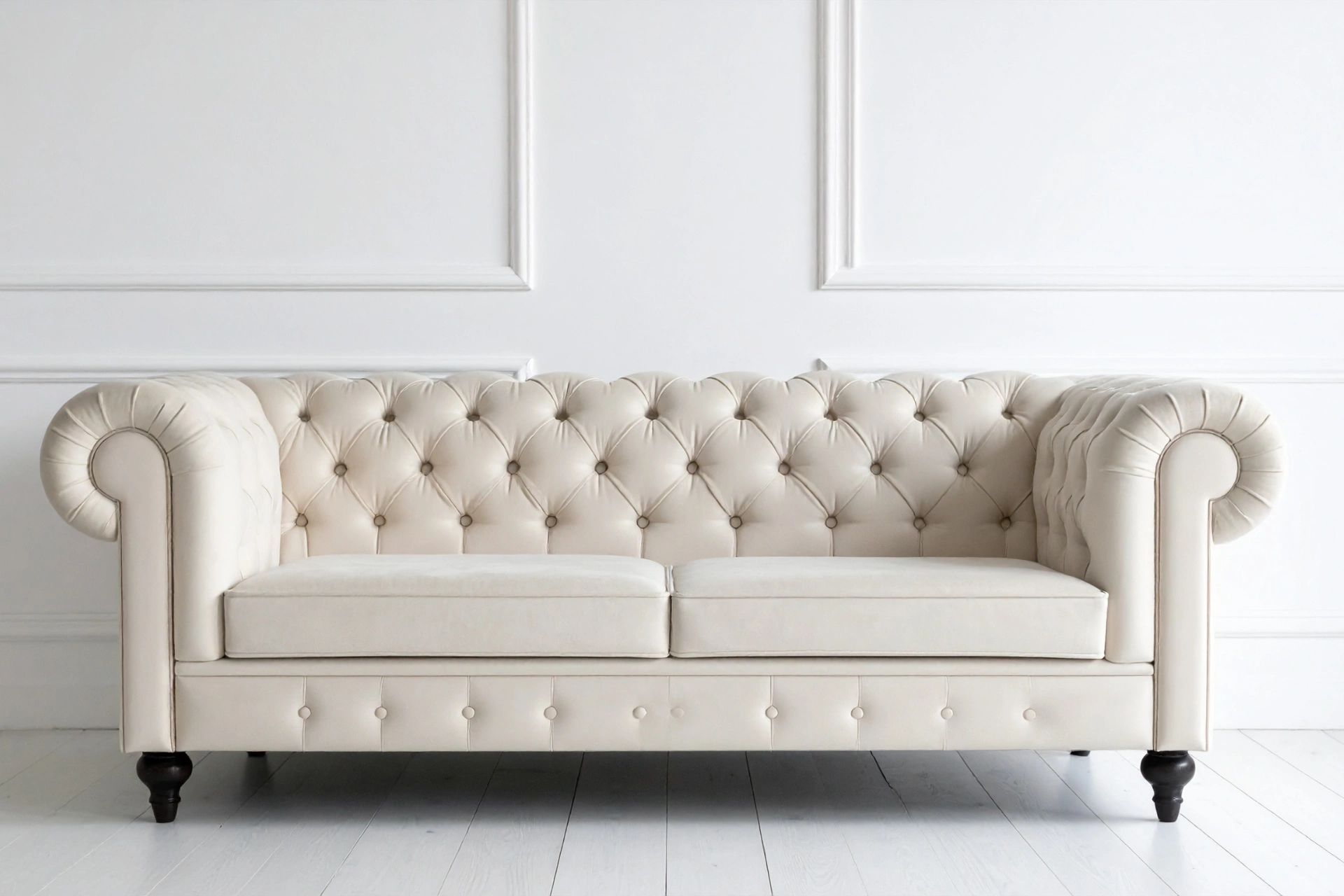
Can a Sofa Assembly Service in London Help When Your Sofa Won’t Fit Through the Door
Buying a new sofa is exciting until you discover it will not fit through your front door, hallway or staircase. A professional sofa assembly service London homeowners can use may help by dismantling removable sections, assembling modular components indoors or finding a safer way to move the sofa into position.
Before forcing the sofa through a narrow entrance or risking damage to your walls, it is worth understanding why it will not fit and which options are available. The right approach can save time, protect your furniture and prevent an expensive mistake.
1. Why Won't Your Sofa Fit Through the Door?
A sofa can be too large to pass through an entrance even when the room itself has plenty of space. The problem often comes down to the sofa’s overall dimensions, the shape of the entrance or a tight turn in the hallway.
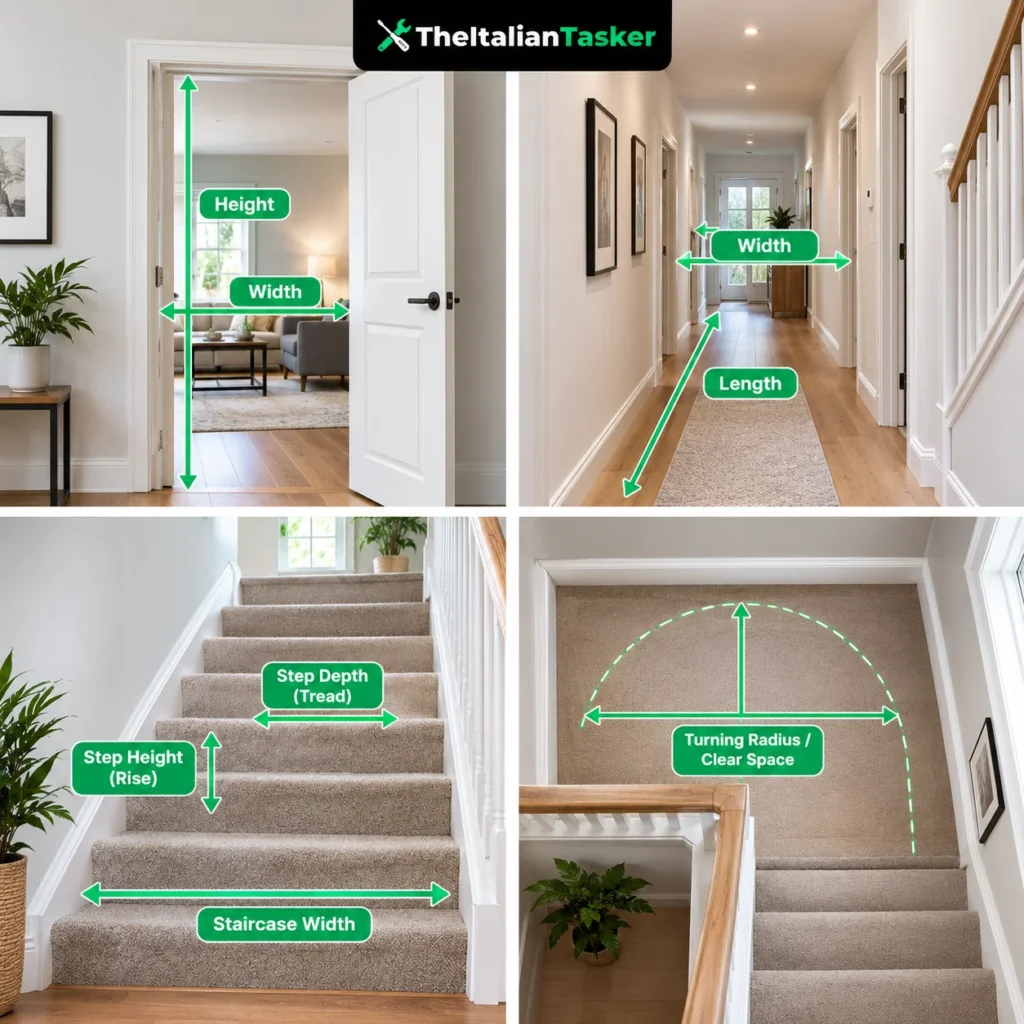
Common obstacles include narrow door frames, low ceilings, sharp stairwell turns, restricted lifts and bulky armrests. In London properties, converted flats, older houses and apartment buildings can present additional access challenges.
Manufacturers usually provide sofa dimensions, but these do not always show whether the furniture can navigate your entire route indoors. Measure the doorway’s clear opening, hallway width and any turning space before arranging delivery.
2. Can a Sofa Assembly Service in London Solve the Problem?
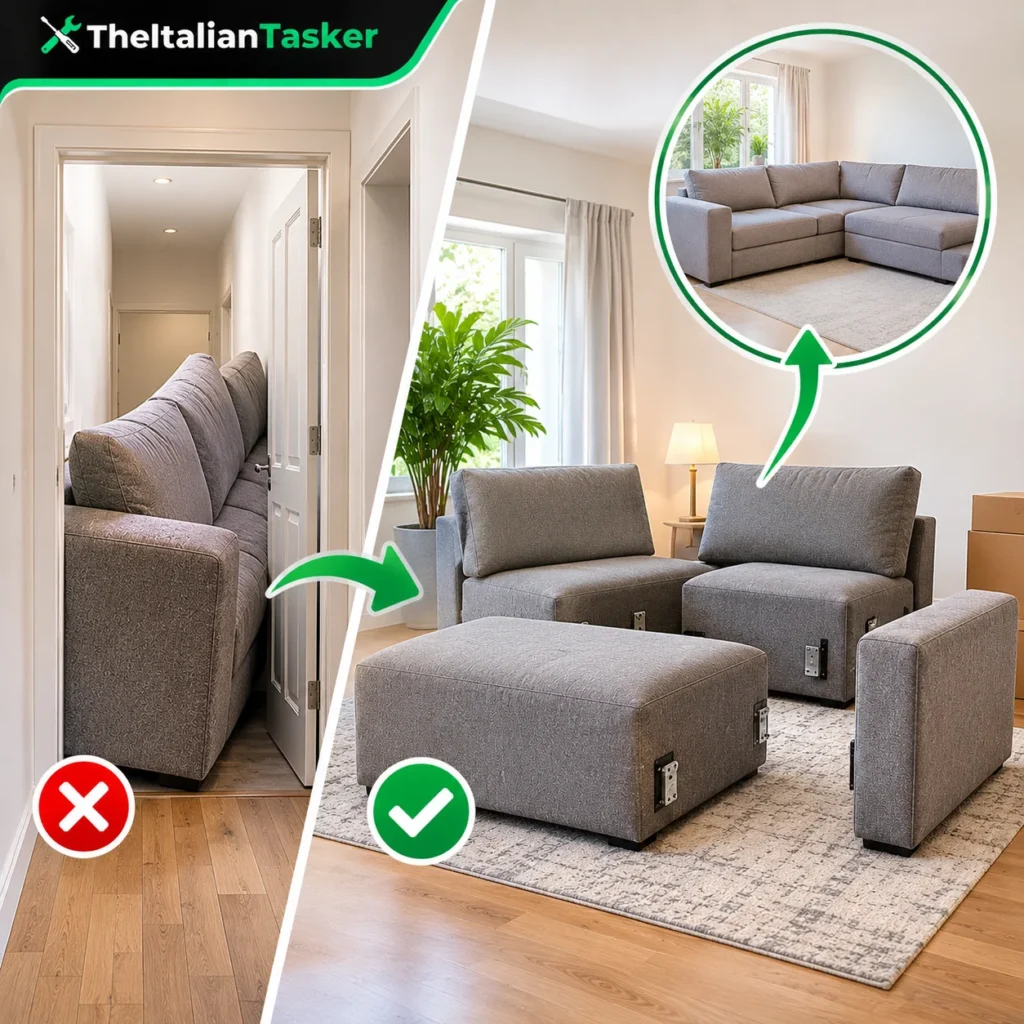
Yes, depending on the sofa’s design. A sofa assembly service London residents hire may be able to remove detachable legs, separate modular sections, take off removable arms or assemble a sofa from individual components inside the property.
However, not every sofa can be dismantled. Some models have permanently attached frames, fixed upholstery or structural components that should not be removed without the manufacturer’s guidance.
A professional should check the construction before recommending a solution. If the sofa cannot be safely separated, alternative options might include using another entrance, arranging specialist lifting equipment or returning the furniture for a more suitable model.
3. What Should You Check Before Moving Your Sofa?
The best way to avoid a delivery problem is to measure the route before the sofa arrives. IKEA’s delivery guidance also highlights the importance of clear, safe access and providing accurate delivery information.
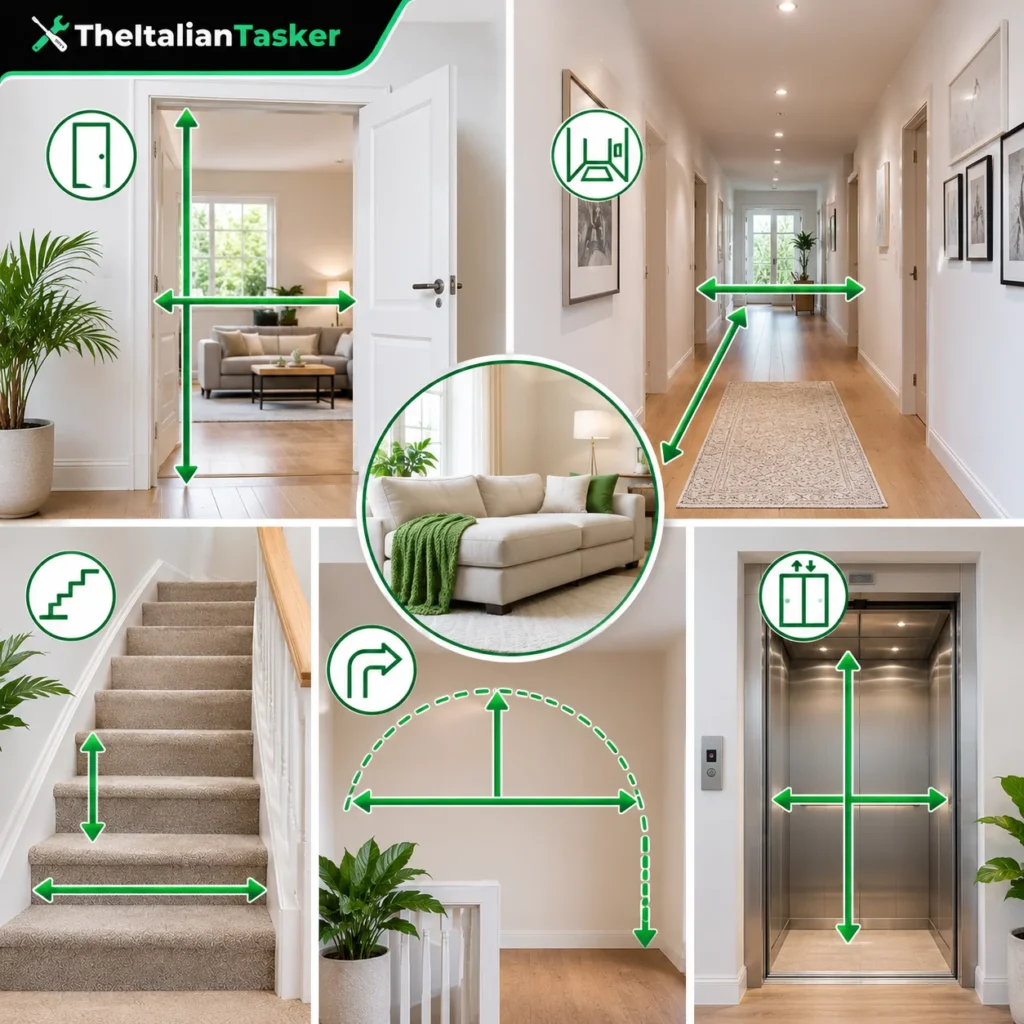
Start with the sofa’s width, height and depth. Then measure the doorway’s usable width and height, including any restrictions caused by door handles, frames or nearby walls.
Next, check the complete route from the entrance to the intended room. Staircase landings, narrow corridors and sharp corners can cause problems even when the front door is wide enough.
If the sofa comes in separate boxes, check each package’s dimensions too. A sofa that looks impossible to move when assembled may be straightforward to carry inside as smaller components.
Practical tip: Take photographs of the doorway, staircase and tight corners. Share these alongside the sofa’s product link with your delivery team or assembly professional before booking.
4. Which Sofa Types Are Easier to Get Through a Door?
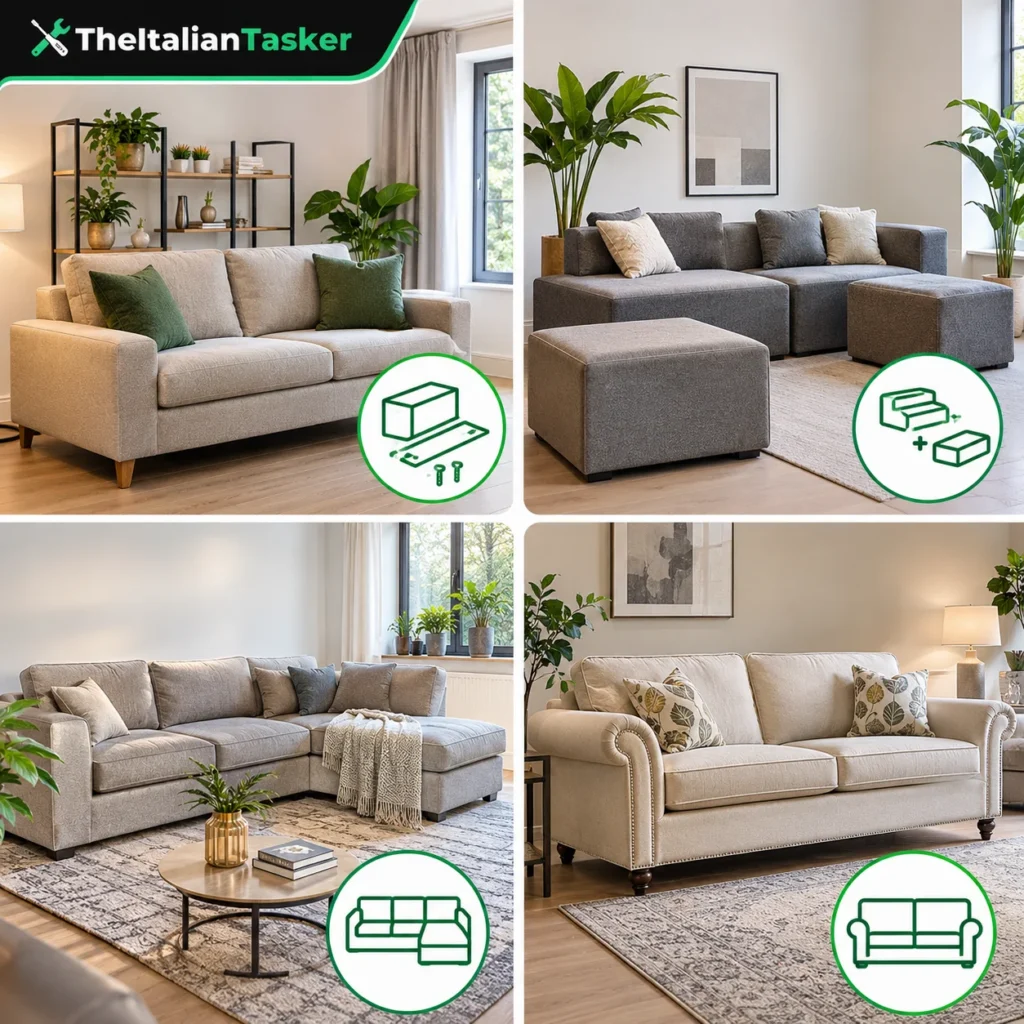
Not all sofas are built in the same way. Understanding the difference can help you decide whether disassembly, indoor assembly or another delivery method is realistic.
| Sofa type | Possible solution |
|---|---|
| Flat-pack sofa | Carry the individual packages inside and assemble them in the room. |
| Modular or sectional sofa | Move separate seating sections indoors and connect them afterwards. |
| Sofa with removable legs | Remove the legs if the manufacturer's instructions allow it. |
| Traditional fixed-frame sofa | Check alternative entrances or specialist moving options if it cannot be dismantled safely. |
A modular sofa is often a practical choice for flats with limited access. For example, a corner sofa may consist of several seating units that connect using brackets or clips. These sections can be carried separately and joined in the living room.
This is where sectional sofa assembly London customers may need differs from assembling a conventional two-seater. The installer must understand how the sections connect, where the fixings belong and how to position the finished sofa without damaging the upholstery.
However, modular does not always mean easy. Some individual sections remain wide or heavy, so measure each component rather than relying on the overall product dimensions.
5. When Should You Call a Professional Sofa Assembly Service in London?
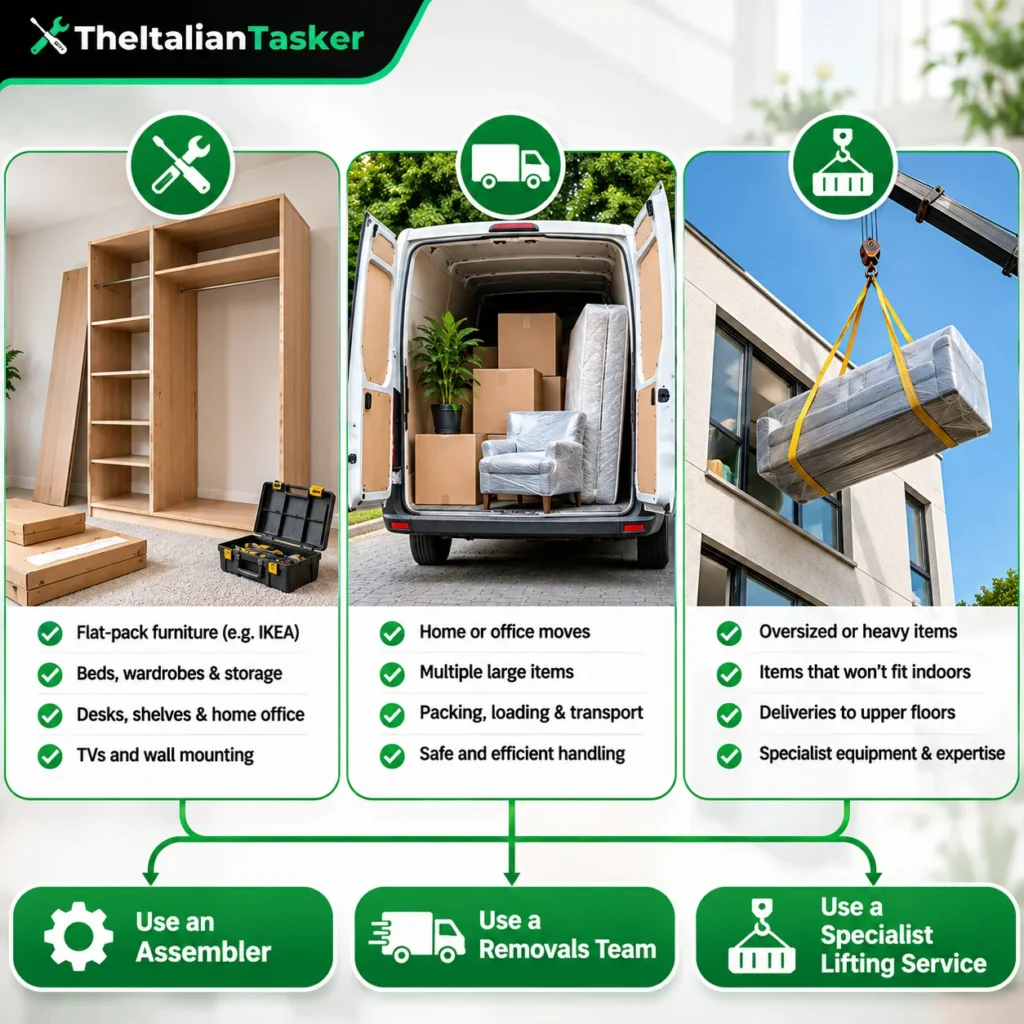
Consider professional help when the sofa cannot pass through the entrance in its current form, the assembly instructions are unclear or moving it would require awkward lifting.
A qualified furniture assembler can inspect the design, identify removable components and follow the manufacturer’s instructions. If the problem involves carrying a heavy sofa up a narrow staircase, a specialist removals team may also be needed.
The Health and Safety Executive‘s manual handling guidance stresses avoiding hazardous handling where reasonably practicable, assessing unavoidable risks and reducing them. This is particularly relevant when a sofa is heavy, difficult to grip or awkward to turn.
Do not force a sofa through a doorway, stand it on an unstable edge or remove structural fixings just to make it fit. These actions can damage the frame, tear the fabric or cause injury.
For help with furniture assembly in London, The Italian Tasker offers sofa and couch assembly among its services. Share the sofa model, photographs and access measurements when requesting a quote so the work can be assessed before the appointment.
6. How Much Does Sofa Assembly or Dismantling Cost?
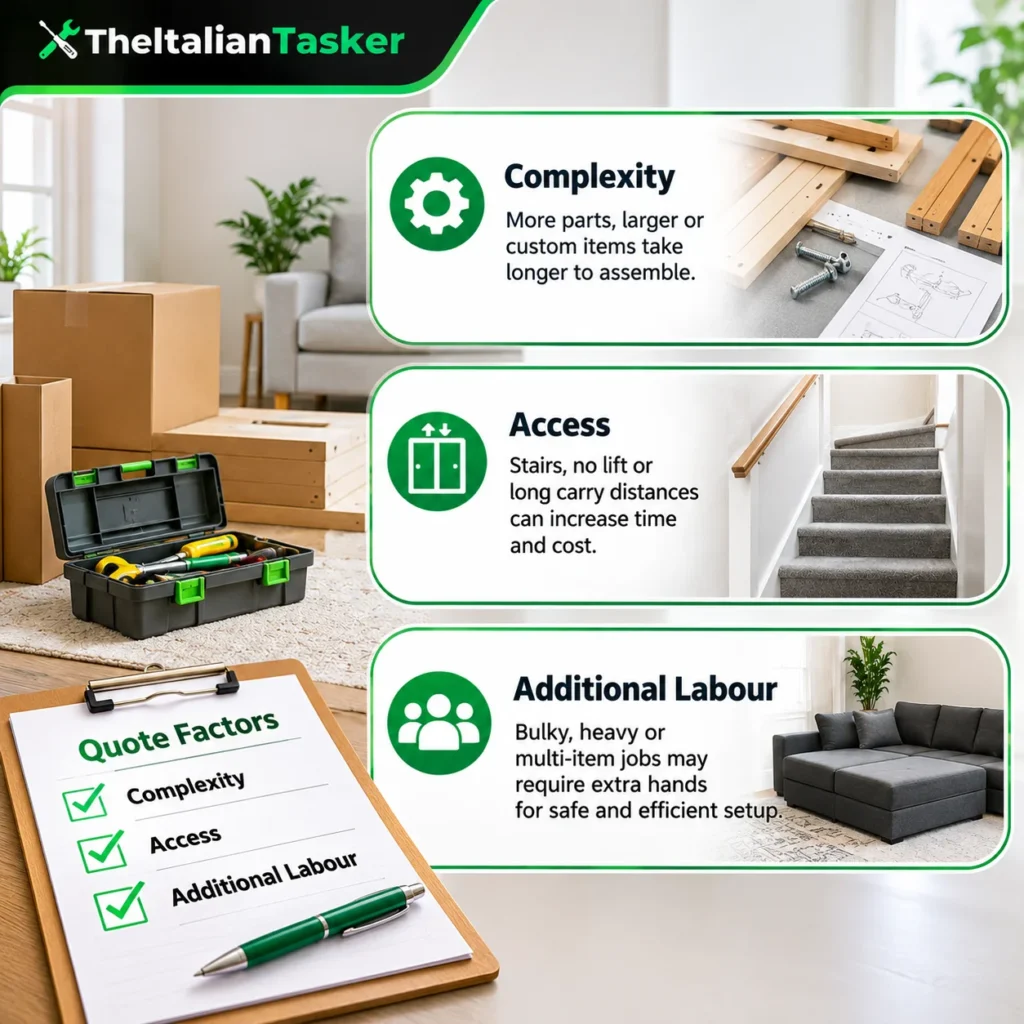
The cost depends on the sofa’s design, the work required and access to your property. Straightforward assembly of a flat-pack sofa is usually less complicated than dismantling a large corner sofa, carrying it upstairs and reconnecting its sections.
Before accepting a quote, explain whether the sofa is already assembled, whether any parts need removing and whether the property has stairs or a lift. Ask whether dismantling, reassembly, additional labour and any specialist access arrangements are included.
There is no reliable single price for every situation. Request a clear quote based on the actual sofa and access conditions rather than choosing a service on price alone.
Before booking: Confirm what the installer can safely do, whether specialist movers are required and what happens if the sofa cannot be brought inside.
7. How Can You Prevent the Same Problem Next Time?
Measure before purchasing, check the manufacturer’s delivery requirements and choose furniture that suits your property. If you live in a flat with narrow stairs, a modular design may offer more flexibility than a single-piece sofa.
Keep the assembly instructions and all removable fixings together. If a sofa needs to be dismantled for a future move, these details can make reassembly easier and reduce the risk of missing parts.
Could Your Sofa Be Assembled Without Damaging It?
If your sofa is stuck at the entrance, you do not have to risk forcing it through. Have you already bought a sofa that will not fit through your door, or are you checking access before ordering one? Share the sofa model and your main access problem with The Italian Tasker
Frequently Asked Questions
1. Can a sofa be dismantled if it won't fit through the door?
Some sofas can be separated into smaller sections or have removable legs and arms. Whether dismantling is possible depends on the construction, so check the manufacturer’s instructions before removing any components.
2. Can a sofa assembly service in London assemble a sofa inside my home?
Yes, provided the sofa is designed to be assembled from components and the individual parts can reach the room safely. Tell the installer about narrow doorways, stairs and restricted access before booking.
3. Can you get a sofa through a narrow doorway by turning it sideways?
Sometimes, but it depends on the sofa’s dimensions, the doorway and the available turning space. Measure the route carefully rather than assuming tilting or rotating the sofa will solve the problem.
4. Is sectional sofa assembly in London suitable for corner sofas?
Yes, if the corner sofa consists of separate sections that can be connected indoors. Check the dimensions of each section and confirm that the connecting brackets or clips can be fitted correctly.
5. Should I remove my sofa's legs before delivery?
Only if the legs are designed to be removed and the manufacturer permits it. Removing them may reduce the sofa’s height, but it will not necessarily solve a width or turning-space problem.
6. What if my sofa will not fit up the staircase?
Measure the staircase width, ceiling height, landings and tightest turns. If the sofa cannot pass safely, ask about alternative entrances, suitable modular assembly or specialist furniture-moving options.
7. Can a sofa be taken apart and reassembled without damage?
It may be possible when the sofa is designed for disassembly and the correct instructions and tools are used. Forcing joints apart or removing structural fixings can damage the frame, upholstery or connectors.
8. Is it cheaper to dismantle a sofa or return it?
That depends on the sofa’s design, the labour involved and the retailer’s return policy. Compare the cost of professional assistance with any return transport charges and restocking conditions before deciding.
9. What measurements should I take before buying a sofa?
Measure the sofa’s width, height and depth, plus the clear dimensions of doors, hallways, staircases and lifts along the route. Check the dimensions of individual packages or modular sections as well.
10. When should I book a professional sofa assembler?
Book one when the sofa requires indoor assembly, the instructions are complicated or you are unsure how its components connect. If the main difficulty is moving a heavy sofa through a restricted entrance, ask whether a specialist removals team is more appropriate.