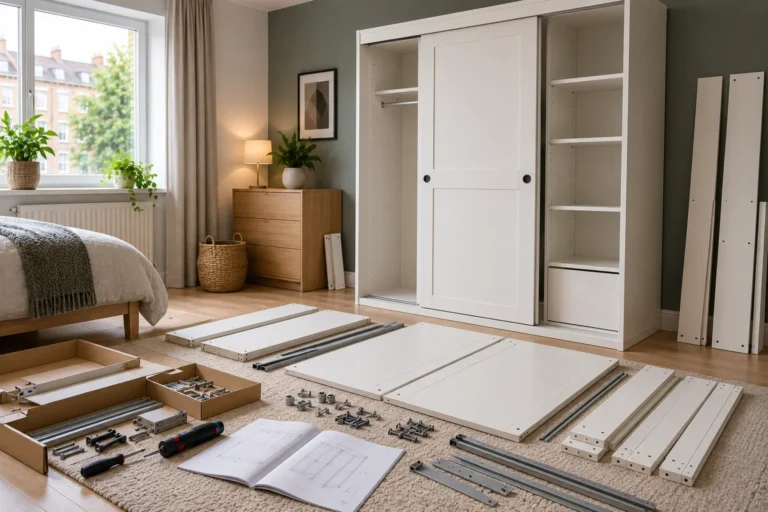
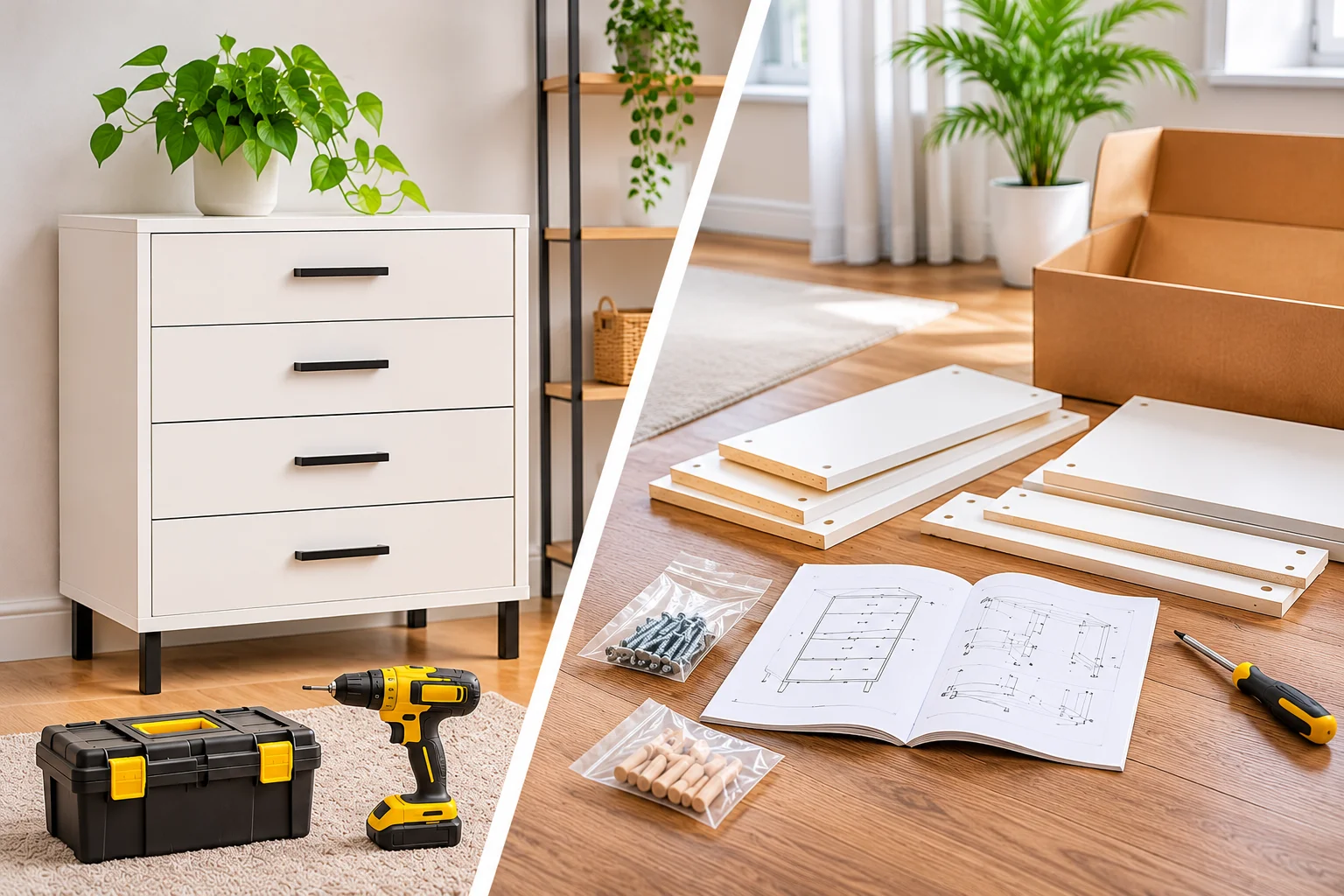
Flat Pack Assembler in London vs DIY: Which Saves More Time?
Building furniture yourself can seem like the quickest and cheapest option. However, assembling a wardrobe, bed frame or large desk can take longer than expected, especially when instructions are confusing or parts are difficult to handle. A flat pack assembler London residents hire can help reduce the time spent sorting parts, following instructions and correcting mistakes.
The right choice depends on the furniture, your experience, the tools available and how much you value your free time. Comparing the full time commitment, rather than just the assembly itself, helps you make a better decision.
How Long Does Flat Pack Furniture Assembly Take?
Assembly time depends on the furniture’s size, number of components and complexity. A simple bedside table may take less than an hour, while a large wardrobe can require several hours. MyBuilder’s 2026 UK cost guide estimates that most individual flat-pack assembly jobs take around one to three hours, although difficult builds can take longer.
A first-time DIY assembler may also need extra time to read the instructions, identify fittings and work out which panels go where. An experienced assembler is usually more familiar with common furniture designs and the tools needed to put them together.
Furniture item | Estimated DIY time | Estimated professional time |
Small bedside table | 30–60 minutes | 20–45 minutes |
Chest of drawers | 1–3 hours | 45–120 minutes |
Standard bed frame | 1–3 hours | 45–90 minutes |
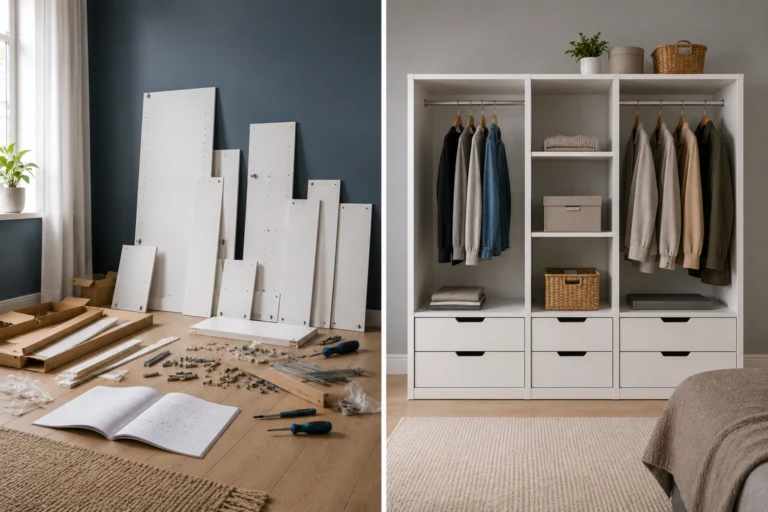
Large wardrobe | 3–6 hours or more | 1.5–3 hours |
These are illustrative planning estimates, not guaranteed timings. Actual assembly time depends on the model, experience, working space and any wall-fixing requirements.
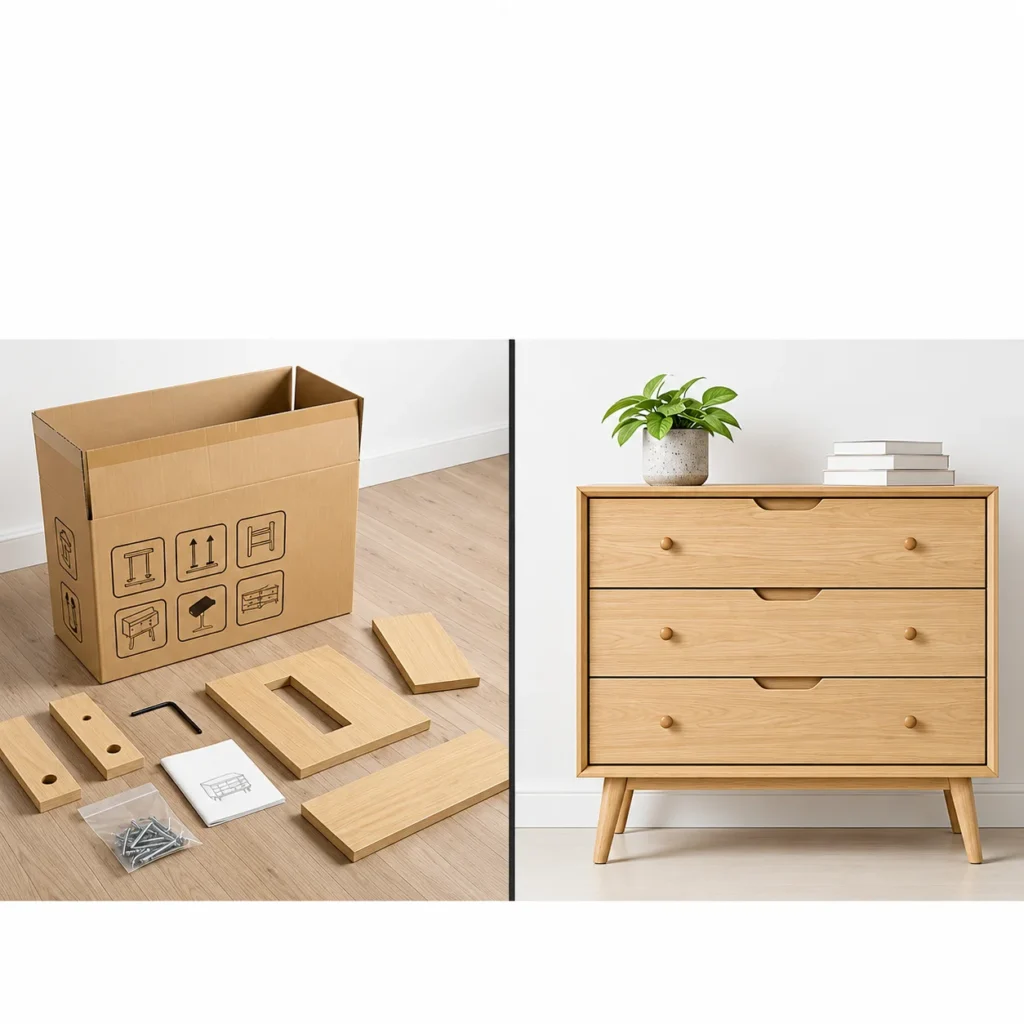
For example, if you have just moved into a London flat and need a bed, wardrobe and chest of drawers, DIY could take most of your free day. Hiring an experienced professional may leave you with more time to unpack, organise your belongings and settle in.
Hidden Time Costs of DIY Furniture Assembly
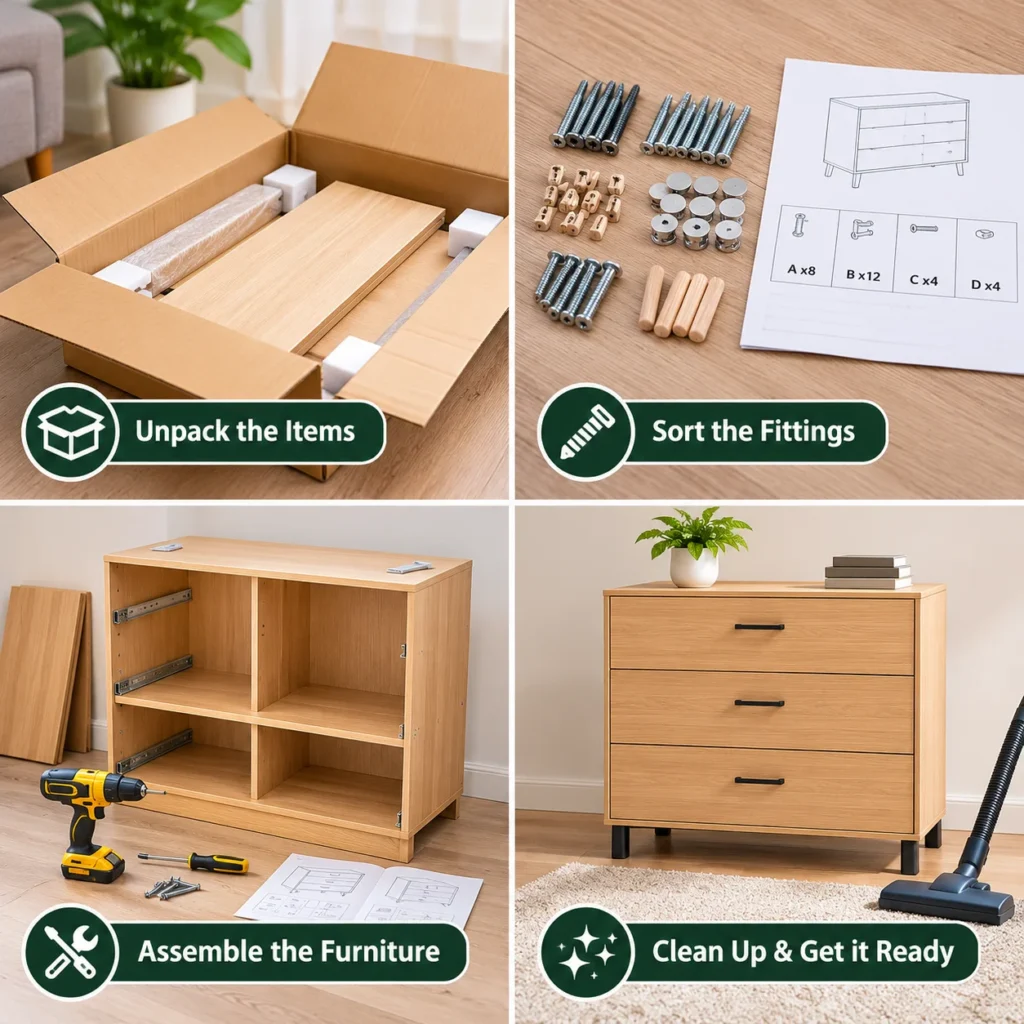
The time spent tightening screws is only part of the job. Before assembly begins, you may need to clear the room, unpack heavy boxes, organise dozens of fittings and check the instructions. Afterwards, there may be cardboard, plastic wrapping and foam to remove.
Mistakes can add even more time. Fitting a panel backwards, using the wrong screw or misaligning a drawer runner might mean undoing several steps before you can continue. Damaged fixings or incorrectly positioned holes can make the problem harder to correct.
DIY can still be the better option when you enjoy practical tasks and have experience with similar furniture. However, if you have a deadline, limited space or several items to assemble, those extra tasks can make the apparent saving less attractive.
When Is Hiring a Flat Pack Assembler in London Worth It?
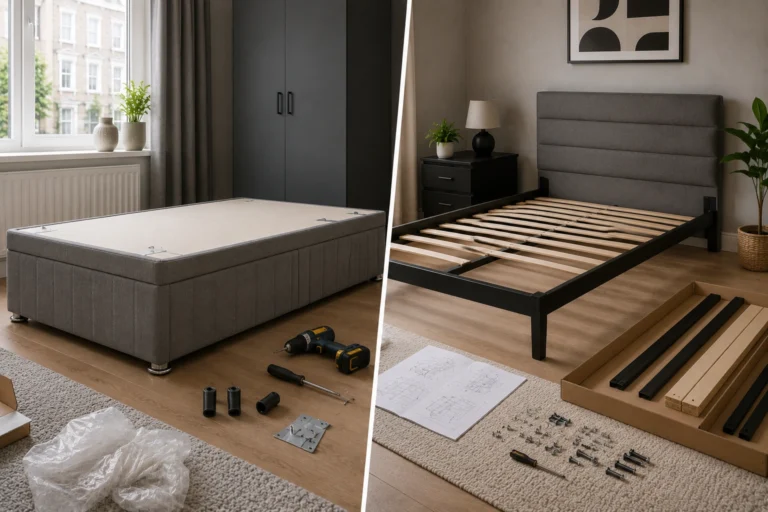
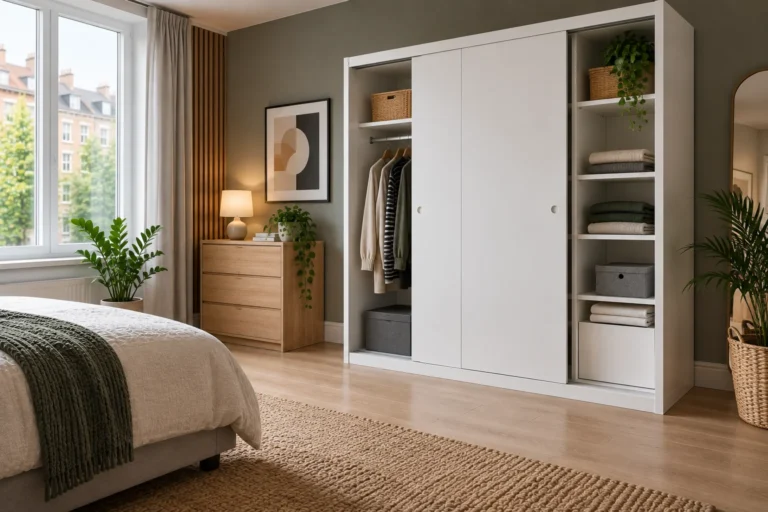
Hiring a flat pack assembler London residents can book is particularly useful when furniture is large, complicated or needed quickly. Sliding-door wardrobes, storage beds, multi-drawer units and full bedroom sets can require careful alignment and more than one person to handle safely.
A professional may also be a sensible choice if you have limited DIY experience, physical restrictions or little free time. The Health and Safety Executive recommends planning lifting tasks, assessing risks and reducing manual-handling hazards. Its guidance is relevant when handling heavy panels, awkward furniture components or bulky packages.
The cost matters, too. London prices vary by provider, item and booking arrangement. A 2026 guide from Fantastic Services puts typical London and South East hourly rates at around £45–£65, while larger or more complex furniture can cost more.
Consider the total cost of DIY, including any tools you need to buy and the value of your time. A professional service costs money, but it can be worthwhile when the alternative is losing a full day or correcting a difficult mistake.
If you’re comparing options, ask whether the quote covers all items, travel, wall fixing, packaging removal and any minimum booking period. Confirm what happens if parts are missing or the furniture arrives damaged.
How to Save Time With Either Option
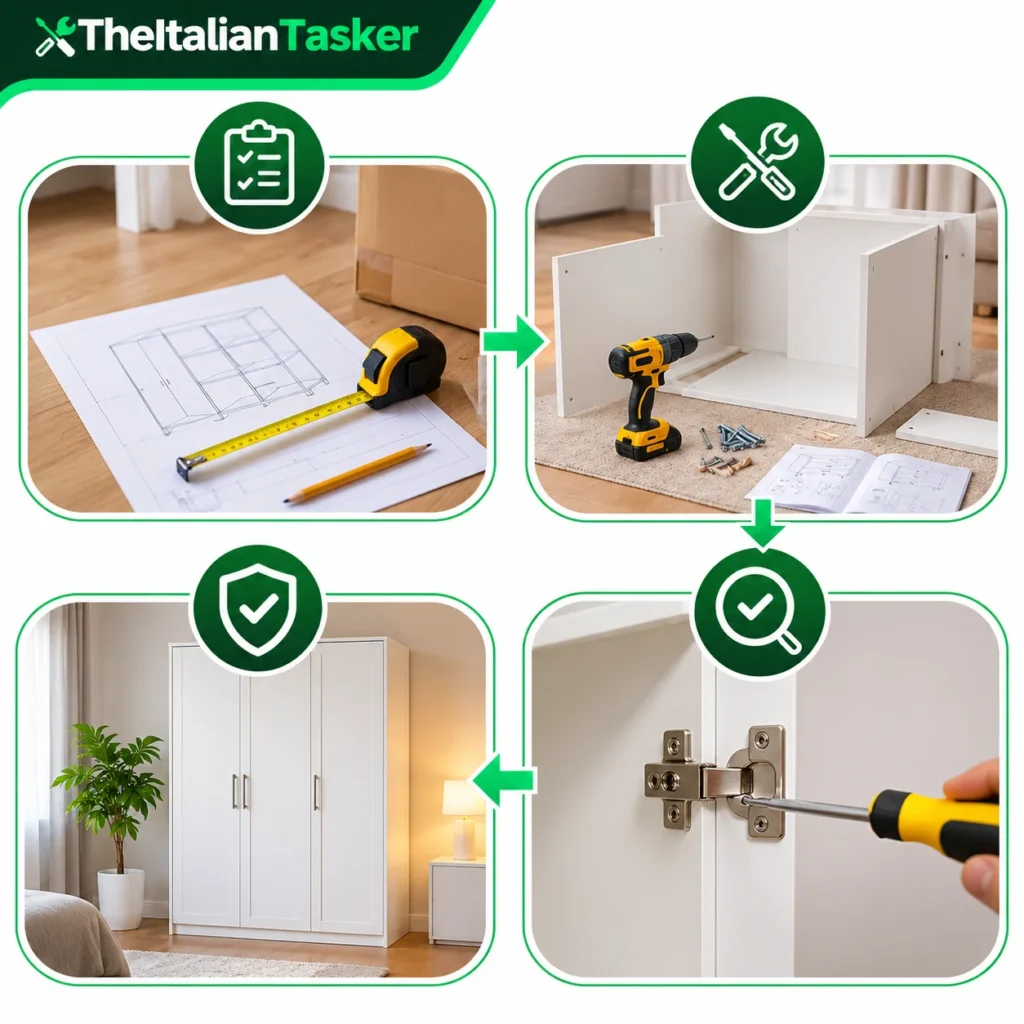
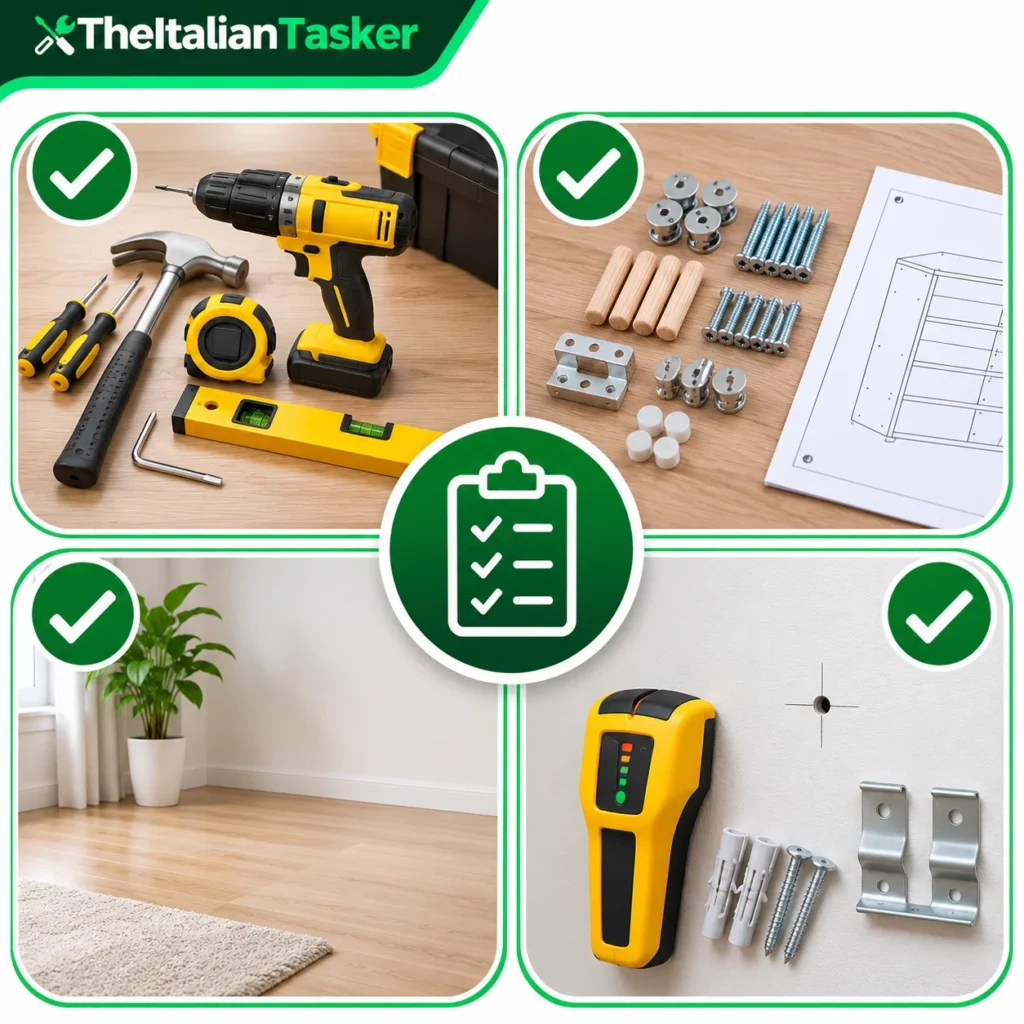
Good preparation makes a noticeable difference whether you assemble furniture yourself or hire help. First, measure the room and check that the furniture can fit through the doorway, hallway and stairs. Clear the intended assembly area and make sure the floor is protected.
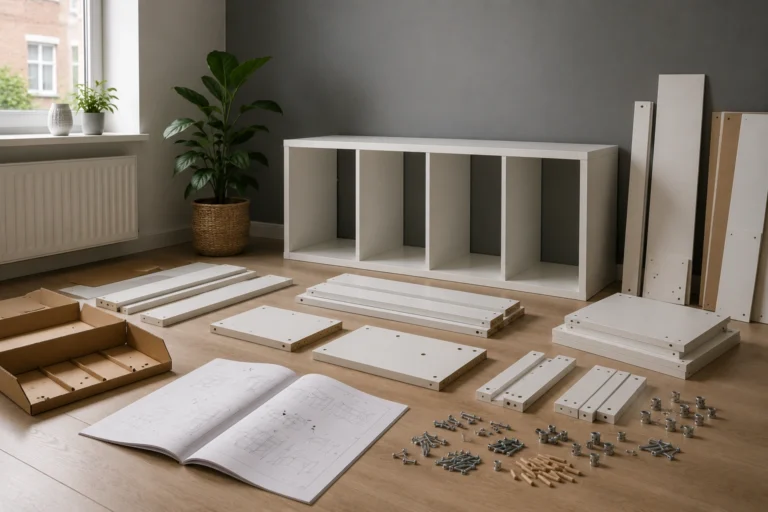
Next, check the boxes against the parts list and keep fittings grouped by type. Read the full instructions before starting rather than discovering an important step halfway through. Use the recommended tools and avoid overtightening screws, which can damage the material.
If you book flat pack furniture assembly london, send the assembler the product name, model number or instruction manual in advance. Tell them about narrow staircases, restricted parking, lifts and any wall-mounting requirements. This makes it easier to estimate the job and arrive prepared.
Tall furniture may need to be secured to a suitable wall in line with the manufacturer’s instructions. Check the wall type and the location of concealed cables or pipes before drilling. Never assume that a wall plug or fixing is suitable for every surface.
For practical guidance on assembly requirements, consult the furniture maker’s official instructions. For example, IKEA UK Customer Service provides product support and assembly information for IKEA furniture.
Ready to Save Time on Furniture Assembly?
Choosing between DIY and a professional comes down to the complexity of the furniture, your available time and your confidence with the instructions. For a single small item, doing it yourself may be straightforward. For a full bedroom or several bulky pieces, professional help may be the more practical option.
The Italian Tasker provides a natural next step for readers exploring handyman and furniture assembly services in London. Before booking, explain what needs assembling and ask for a clear estimate.
How many pieces of flat pack furniture do you need to assemble, and would you rather spend your weekend building them or getting your home ready to enjoy?
Frequently Asked Questions
1. Is it faster to hire a flat pack assembler in London than to assemble furniture yourself?
In many cases, yes, particularly if you are inexperienced or assembling large furniture. However, the time saved depends on the furniture model, the assembler’s experience and how well the workspace is prepared.
2. How long does it take to assemble flat pack furniture?
Small items may take 30–60 minutes, while wardrobes and complicated storage furniture can take several hours. Always check the manufacturer’s instructions and treat estimated timings as a guide rather than a guarantee.
3. How much does a flat pack assembler cost in London?
Prices depend on the furniture, number of items, access arrangements and the provider’s minimum booking fee. Request an itemised quote so you can compare the complete cost rather than just an advertised hourly rate.
4. Can I assemble IKEA furniture myself?
Yes. Many IKEA products are designed for home assembly and include instructions. If the build is complicated or you lack the necessary time or tools, you can consider hiring an experienced assembler instead.
5. Is DIY furniture assembly difficult for beginners?
Simple furniture can be manageable if you follow the instructions carefully. Large wardrobes, drawer systems and storage beds can be more challenging because they involve many components and require accurate alignment.
6. Can a professional assemble several pieces of furniture in one visit?
Many furniture assemblers accept bookings for multiple items, depending on availability and the estimated workload. Providing a complete list of furniture beforehand helps the provider plan the appointment and quote accurately.
7. Do I need to provide tools for professional furniture assembly?
This depends on the service provider. Ask whether the assembler brings the necessary tools and whether specialist equipment or wall fixings are included in the quoted price.
8. Should flat pack furniture be assembled in the room where it will be used?
Usually, yes, especially for large wardrobes and bed frames that may be difficult to move through narrow doorways afterwards. Check the manufacturer’s instructions and available space before deciding where to build the furniture.
9. Is professional furniture assembly worth the money?
It can be worthwhile if your time is limited, the furniture is complex or you want to avoid the frustration of correcting mistakes. For a small, straightforward item, DIY may offer better value if you already have the necessary tools.
10. Does flat pack furniture need to be secured to the wall?
Some furniture, particularly tall or unstable units, needs wall anchoring to reduce the risk of tipping. Follow the manufacturer’s instructions and use fixings suitable for the wall material.